


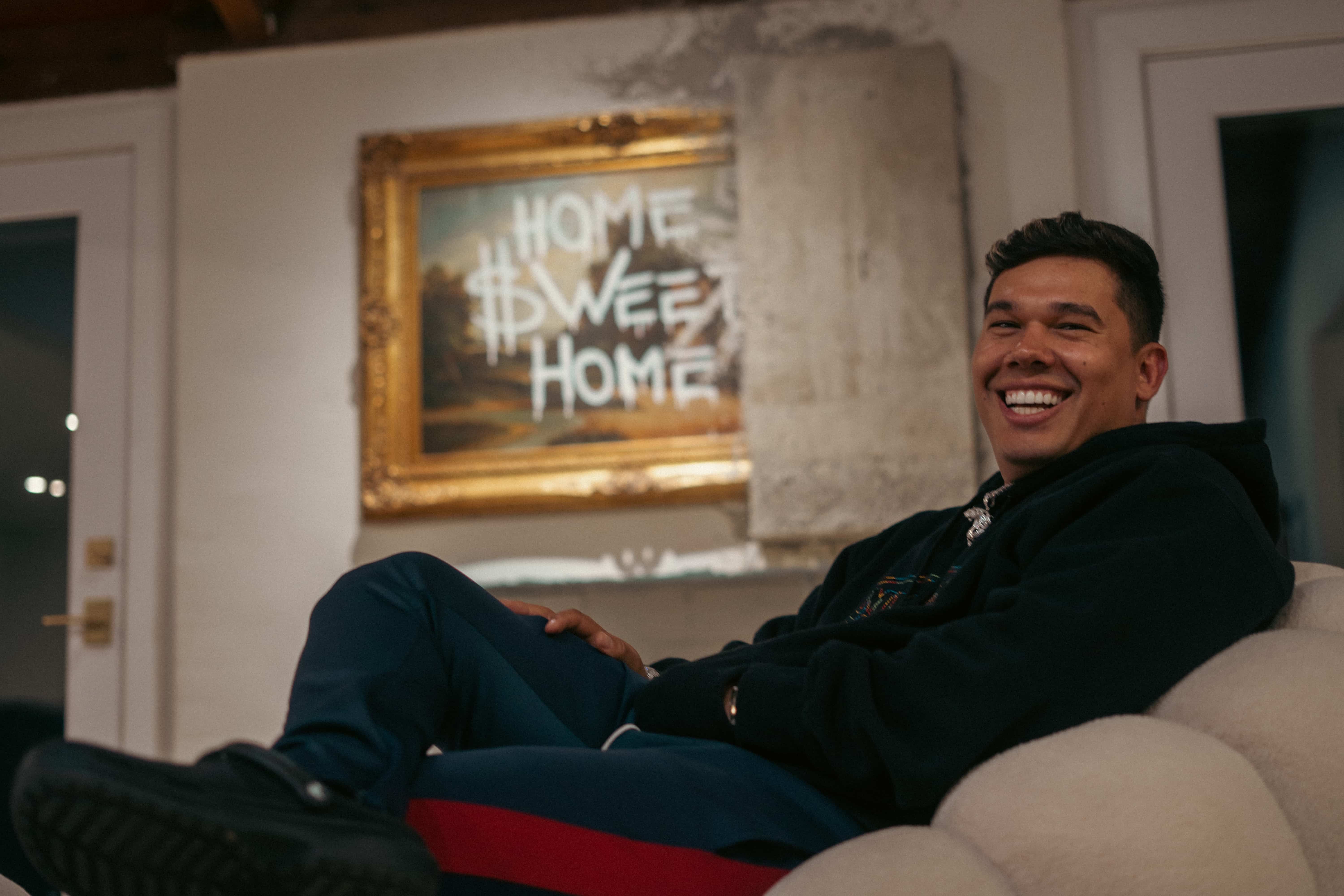
A 1956 ranch in this north Atlanta suburb has changed hands as a single signed artwork by Colombian artist CH Pulgarín, the latest entry in a growing market where the line between residence and sculpture is collapsing.
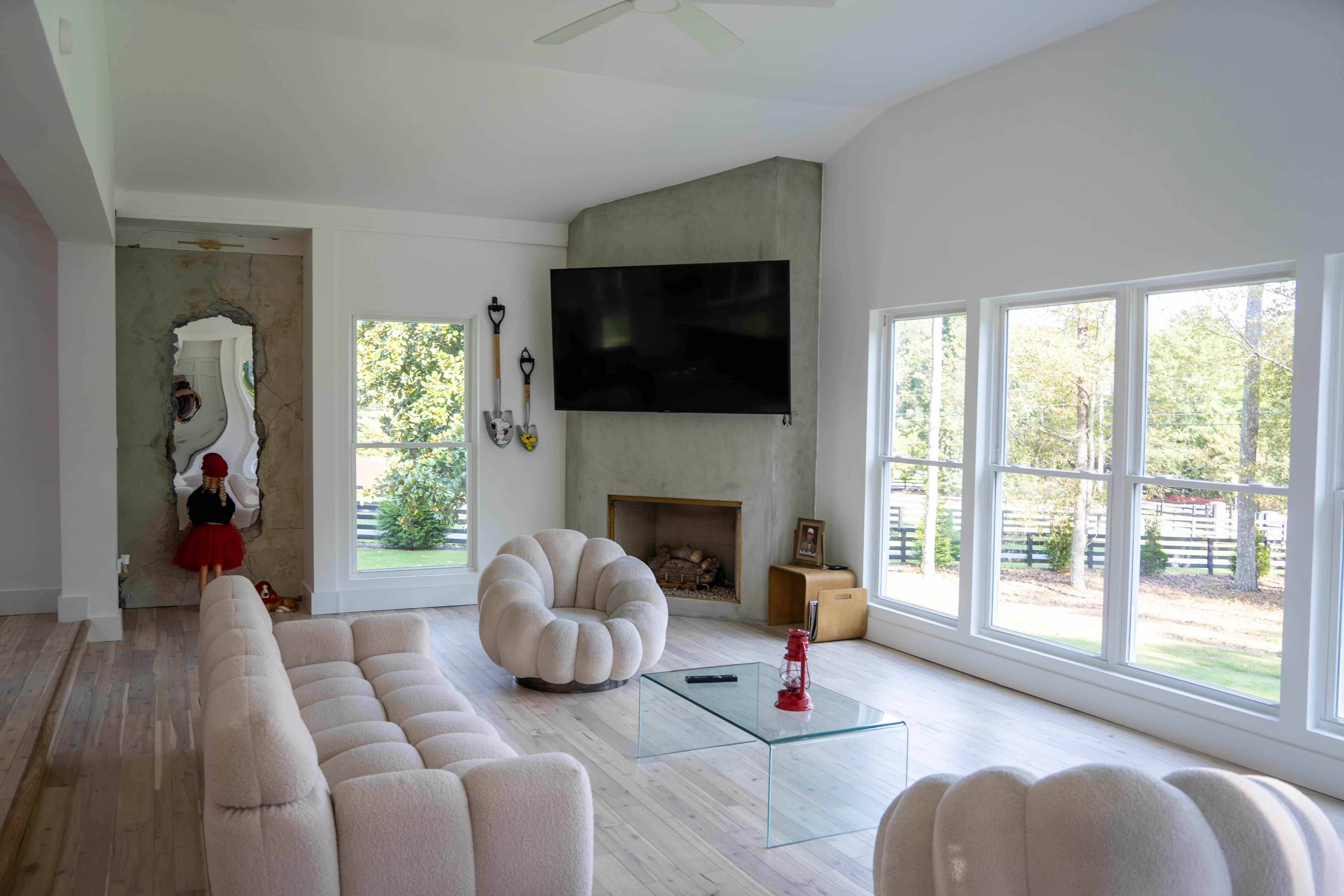
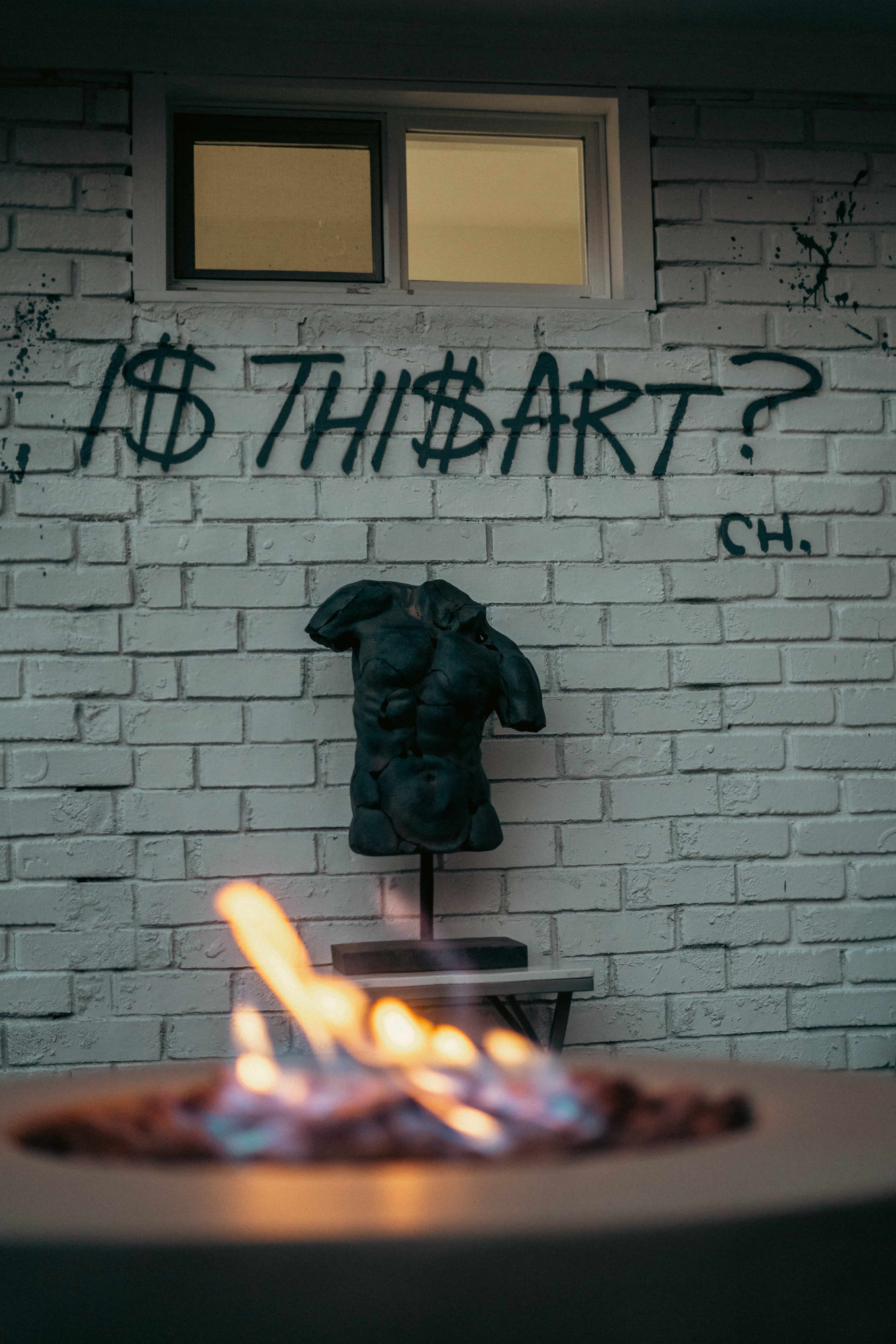
The artist behind the project, CH Pulgarín, is the Colombian-born creator best known for the RICH KID$ CLUB project and a practice rooted, by his own description, between Atlanta and Medellín. Over months of work on the Milton home, Pulgarín reshaped the building from the inside out, with hand-modeled surfaces, layered color, sculpted silhouettes and tactile textures running through walls, ceilings and built-ins. The home was not staged with art. It was the art. The buyer acquired the structure the way a collector acquires a sculpture, as one indivisible piece. The deal places the project among a small group of artist-led residences that trade as authored objects, and lands inside a market that has already shown property values respond to artist authorship.
CH Pulgarín and the Lineage of the Artist-Built House
The idea of a house functioning as a single work of art predates the current market by more than a century. The German term Gesamtkunstwerk, or total work of art, has long applied to spaces where one creative vision controls everything from architecture to door handles. William Morris's Red House outside London (1859) and Gerrit Rietveld's Schröder House in Utrecht (1924) are canonical examples. The American South already hosts a cousin. Pasaquan, near Buena Vista, Georgia, is the seven-acre folk-art compound built by Eddie Owens Martin (St. EOM) over decades, where painted masonry walls and totems turned a family farmhouse into an immersive environment now operated as a museum.

A more recent reference point sits in Pittsburgh, where German artist Thorsten Brinkmann transformed an ordinary house into La Hütte Royal, a multi-floor private installation Brinkmann told Wallpaper magazine he conceived as a project where life and art melt into one. The Milton house belongs to that conceptual family, with one contemporary twist. The project was conceived from the start as a transactable object, a residence designed to change hands as artwork, deed and signature combined.
Why CH Pulgarín's Street and Pop Roots Matter to the Deal
Pulgarín's pop and street vocabulary is not incidental. Over the past decade, the property market has absorbed what some critics call the "Banksy effect," the recognition that a single wall touched by a known street artist can shift the economics of the building behind it. According to industry coverage, a New York City building painted by Brazilian muralist Eduardo Kobra rose from roughly $880,000 to over $2 million within four years, with brokers attributing a meaningful share of that growth to the murals. In Miami, the Wynwood Walls program launched in 2009 by developer Tony Goldman turned a stretch of derelict warehouses into one of the most-visited mural districts in the world, and pushed local commercial rents from under $10 per square foot to roughly $50.
That data has filtered into the high-end residential playbook. According to CNBC, Paul Lester, a partner at the Los Angeles real estate firm The Agency, has built a practice around treating premium listings as quasi-gallery shows. At the Olson Kundig-designed Houses at 8899 Beverly, art and designer furniture are positioned as part of the package rather than staging. Coldwell Banker has documented similar plays, including a Miami listing where Swedish muralist Ola Kalnis painted a terrace mural live during an open house, with the work then trading along with the property. Consultancies like Artelier and Creative Art Partners now commission pieces sized to specific walls in developments from Beverly Hills to Miami Beach. Developers such as DDG in New York have gone further, embedding artist-designed elements directly into building facades.

In each of these cases the same question is being answered. How does a property feel singular in a market full of comparable inventory. The standard tools eventually plateau: finishes, square footage, location. Authorship does not.

For the Milton buyer, the practical effect is that the home now carries provenance, not just an appraisal. For Pulgarín, the project records authorship at the scale of architecture. For the broader market, the sale is another data point in a clear direction. The line between art object and real estate asset is narrowing each year, and the artists best positioned to cross it are those already fluent in street, pop and material craft. Whether more postwar ranches in metro Atlanta will trade as signed editions remains to be seen. The precedent is now on the books.