


Before a single pitch was thrown in the 2026 World Baseball Classic, Pedro Capó was already standing at the center of it all.
📖 YOU MIGHT ALSO LIKE
- Bryson DeChambeau and Charles Howell III Share the Lead After Round 1 of LIV Golf Korea
- Kimi Antonelli Wins the 2026 Miami Grand Prix as Louis Vuitton Trophy Trunk Takes Center Stage
- LIV Golf Rebrands Smash GC as OKGC, Creating League's First U.S. Home Market Team
- Gulfstream Park Is Hosting a Kentucky Derby Watch Party in Hallandale Beach This May
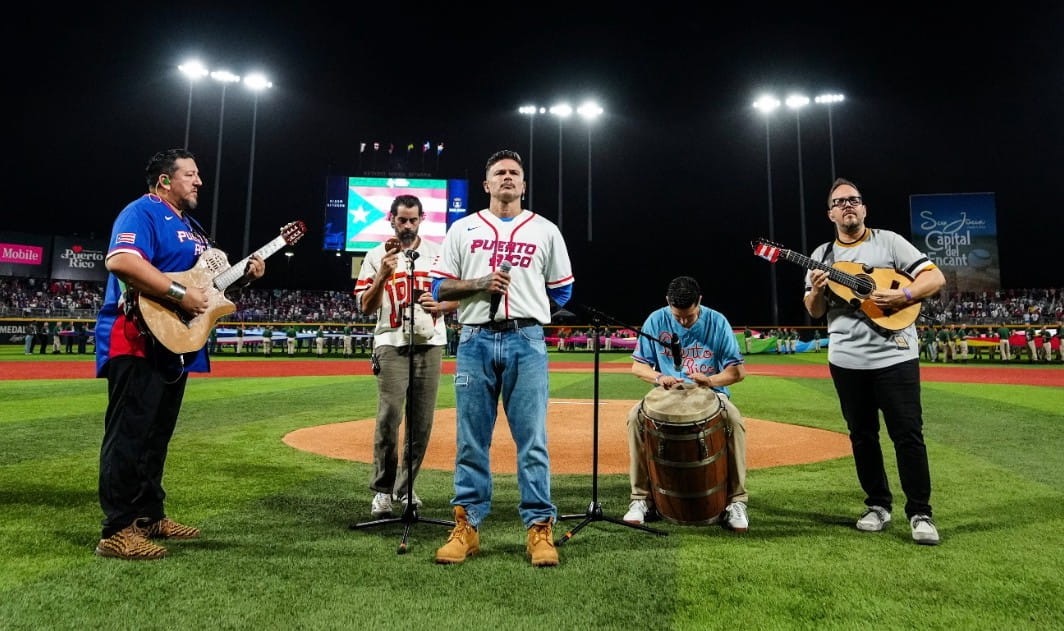
The San Juan-born singer and songwriter performed La Borinqueña, Puerto Rico's national anthem, during the opening ceremony of Pool A play at Estadio Hiram Bithorn, delivering the moment to a crowd of nearly 19,000 in attendance and millions watching across the island and diaspora. Puerto Rico defeated Colombia 5-0 that night, but the pregame ceremony set an emotional tone that went beyond the final score.
The tournament's return to San Juan had been anything but smooth in the weeks leading up to opening night. Red tape had blocked several of Puerto Rico's biggest names from participating, and by late January, the president of the Puerto Rico Baseball Federation had threatened to pull the team from the competition entirely. None of that tension was visible when Capó took the microphone. The crowd settled into Hiram Bithorn with the kind of energy Puerto Rican fans bring to baseball that makes the stadium feel like more than a sports venue. ESPNMLB
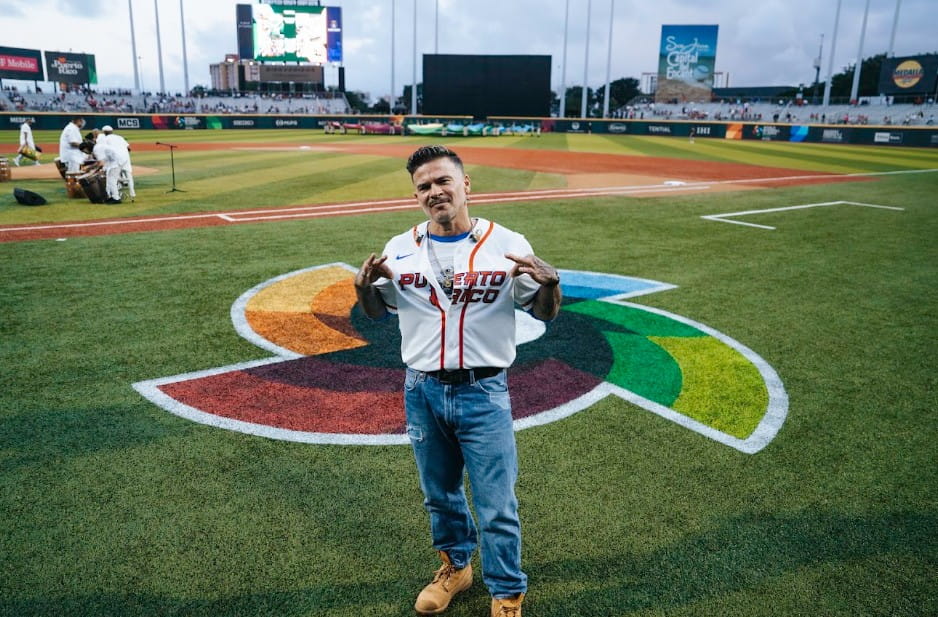
Pedro Capó and the Weight of La Borinqueña at Hiram Bithorn
Capó, the grandson of Puerto Rican legend Bobby Capó, scored his biggest international hit with 2018's "Calma," which topped charts in dozens of countries and won a Latin Grammy for Song of the Year. He is known for carrying a roots-aware, emotionally grounded approach to his music, and his connection to this specific venue runs deeper than most performers could claim. In a statement ahead of the event, Capó described Hiram Bithorn as the place he used to go with his father as a child to watch winter ball games, calling the experience "a moment of nostalgia and much feeling." Music Gateway
The anthem slot at a World Baseball Classic game is not a routine booking. Baseball at Hiram Bithorn has long carried symbolic weight beyond the sport itself, with fans treating games as an expression of Puerto Rican identity. Placing Capó in that moment signaled an intentional alignment between Puerto Rico's musical heritage and its sense of national pride on a global stage. EBONY
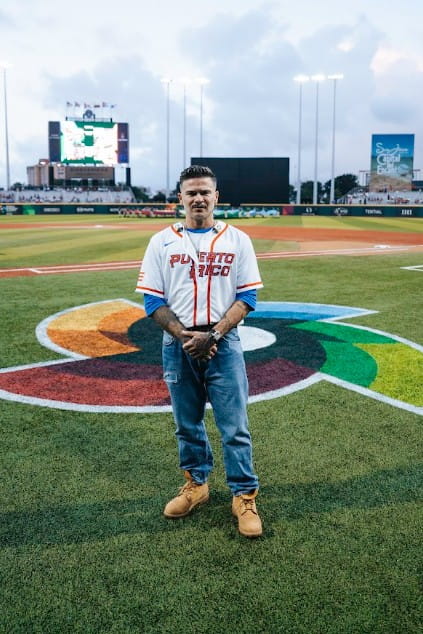
At the Intersection of Sport and Sound
Capó's connection to baseball crowds is not new. His song "Calma," born as an ode to the simple pleasures of life in Puerto Rico, became a symbol of resilience and eventually the soundtrack to the Washington Nationals' 2019 World Series run. That trajectory, from a beach song recorded after Hurricane Maria to an anthem adopted by baseball fans in cities across North America, speaks to the way his music tends to outlast the moments that produce it. The Washington Post
Saturday's performance added another chapter to that pattern. Just weeks earlier, Capó had released a live album recorded at the Coliseo de Puerto Rico, a 41-track document of his February 2025 concert described by Billboard as part of his rediscovery of sound and roots. The timing placed his Hiram Bithorn appearance in the middle of what has been a notably personal creative period for the artist. Lamezcla
Pool A of the 2026 World Baseball Classic brought together Puerto Rico, Cuba, Canada, Panama, and Colombia, with games running from March 6 through March 11 at Hiram Bithorn in San Juan. With the eyes of Latin America and the global baseball community pointed at the island, the opening ceremony carried a visibility that few cultural moments in Puerto Rico generate on their own. Wikipedia
For Pedro Capó, standing on that field was personal before it was symbolic. The Bithorn, the anthem, the crowd singing along in the stands: these are not abstractions for a man who watched winter ball from those seats as a kid. That backstory is what separated this performance from a ceremonial formality and made it something the crowd recognized as its own.
Written by
FAME EditorialFAME Editorial Staff is a collective of marketers, journalists, and media professionals covering the intersection of business, culture, and entertainment. With a focus on storytelling that informs and engages, the team produces interviews, features, and industry insights that highlight the people and ideas shaping today’s landscape. Through a blend of editorial perspective and real-world marketing experience, FAME delivers content designed to resonate with modern audiences and decision-makers alike.