


PEOPLE WORTH KNOWING


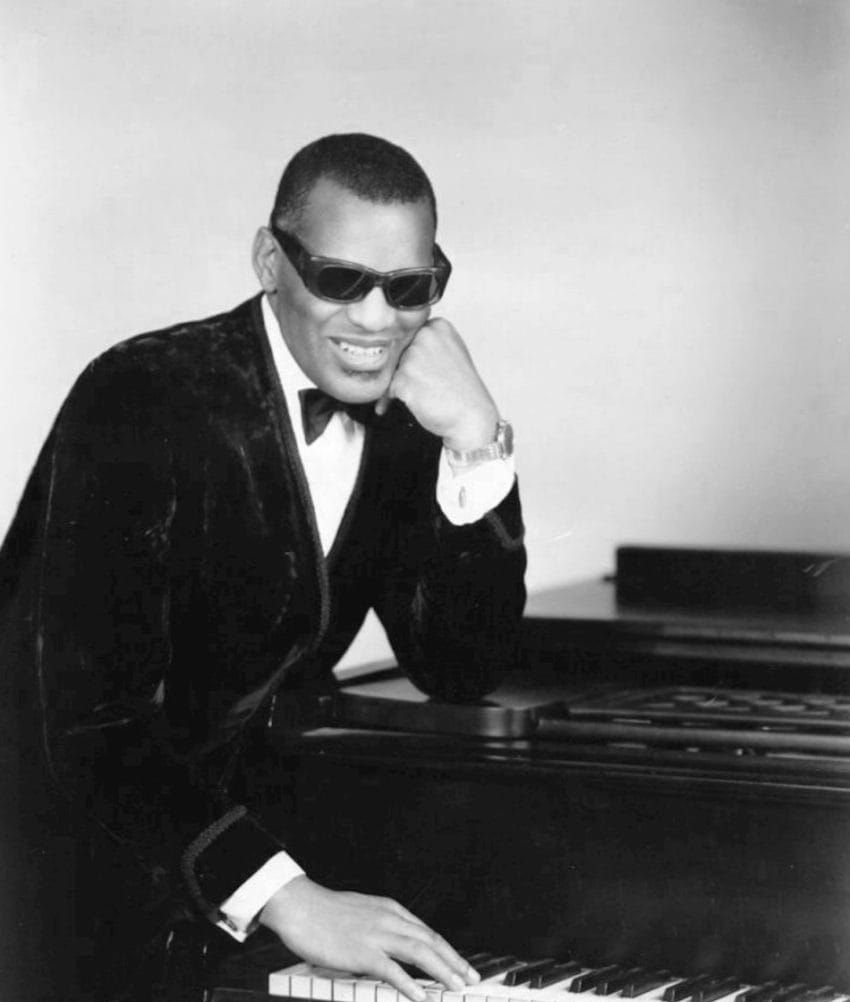
Ray Charles Robinson, born September 23, 1930, in Albany, Georgia, transformed from a blind kid from the Jim Crow South into an uncompromising musical genius who broke every barrier in American entertainment. Losing his sight by age seven didn't slow his ascent—it sharpened his already-extraordinary ear and forced the world to listen to what he had to say. By the 1950s, Ray Charles was redefining soul music itself, blending gospel fervor, blues grit, and jazz sophistication into a sound that felt like pure American truth. His breakthrough came with "What'd I Say" in 1959, a track so sexually suggestive and rhythmically infectious that radio stations initially banned it, yet it became an instant classic that proved Ray Charles answered to no one's rulebook but his own.
The early 1960s marked Ray Charles' commercial peak and artistic pinnacle. His 1960 album "The Genius of Ray Charles" established him as more than a musician—he was a cultural force redefining what Black artistry could achieve. Then came "Georgia on My Mind" in 1960, which became his signature ballad and eventually Georgia's official state song, a stunning acknowledgment of his genius from a state that once denied him basic human rights. But Ray Charles refused to be boxed into ballads; he pivoted to country music with "Modern Sounds in Country and Western Music" in 1962, an album that shocked purists and won him a Grammy while proving genre boundaries meant nothing to true innovation. Hits like "I Can't Stop Loving You" and "Hit the Road Jack" dominated charts, while albums like "Genius + Soul = Jazz" cemented his legacy as the rare artist equally comfortable in any musical space.
Over his seven-decade career, Ray Charles earned 18 Grammy Awards, a Kennedy Center Honors, and induction into the Rock and Roll Hall of Fame. He appeared on the currency of his influence across generations, influencing everyone from Stevie Wonder to Amy Winehouse. Though Ray Charles passed in 2004, his legacy experienced renewed cultural prominence with the 2024-2025 anniversary celebrations of his most transformative recordings, introducing his fearless artistry to fresh generations discovering how one man's refusal to accept limitations rewired American music forever. His story remains the blueprint for any artist daring to transcend expectations.




-06.webp)


