

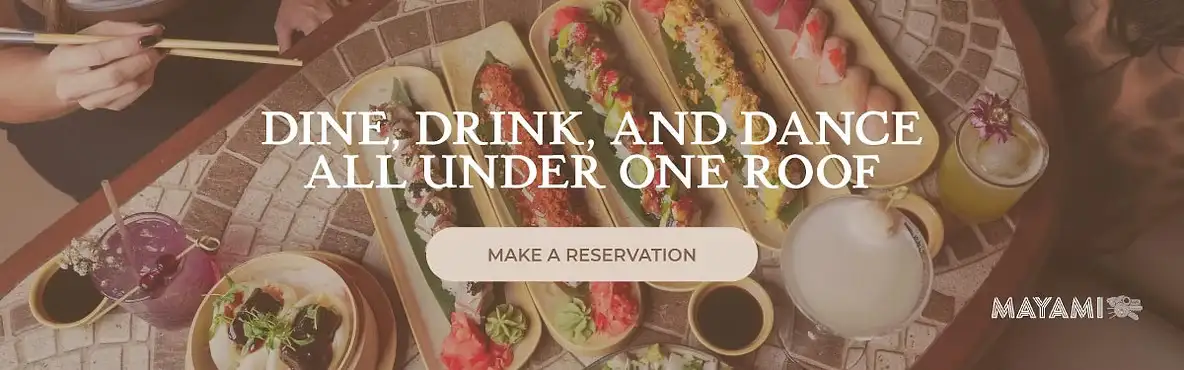
An intimate omakase dinner with Sake ONO and Chef Wei Chen (aka OMAWEI) offered a thoughtful look at how modern sake is reshaping the American dining experience. Hosted inside OMAWEI, the intimate omakase restaurant located within the members-only Bath Club in Miami Beach, the evening brought together precise Japanese cuisine and premium sake pairings in a setting that encouraged conversation and discovery. While The Bath Club is private, the seasonal OMAWEI is open to the public by reservation, making this experience accessible to curious diners.
Omakase, which translates to “I leave it to you,” is built on trust between guest and chef. Rather than ordering from a menu, diners allow the chef to guide the meal, selecting ingredients based on seasonality, freshness, and balance. Chef Wei Chen’s approach emphasized restraint and clarity, allowing each dish—and each pairing—to stand on its own.
The evening began with a light welcome cocktail, the Ono Spritz, made with Sake ONO Core, grapefruit juice, soda water, lemon juice, and a touch of simple syrup. It set a refreshing tone for what followed.

THE OMAKASE EXPERIENCE BEGINS
The first pairing featured Toro Caviar: bluefin tuna layered over a crisp potato pavé and topped with Marky’s Royal Osetria caviar. It was served alongside Ruinart Blanc de Blancs Champagne, easing guests into the progression of pairings.
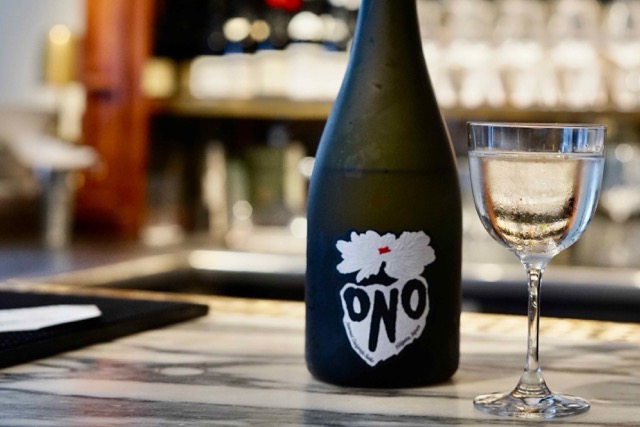
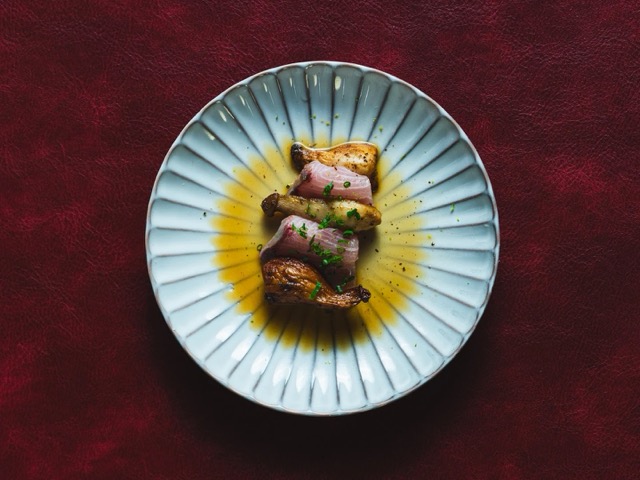
As the meal unfolded, Sake ONO Core Junmai Daiginjo was poured in a universal wine glass, reinforcing the idea that sake deserves the same consideration as fine wine. Produced in small batches in Niigata, Japan, this Junmai Daiginjo showed a clean, dry profile with notes of honeydew melon, green apple, citrus, and a subtle umami finish. One of the most memorable matches was Yellowtail Sashimi with King Trumpet mushrooms and yuzu balsamic, where the sake’s freshness complemented the dish without overpowering it.
INTRODUCING SAKE ONO RARE
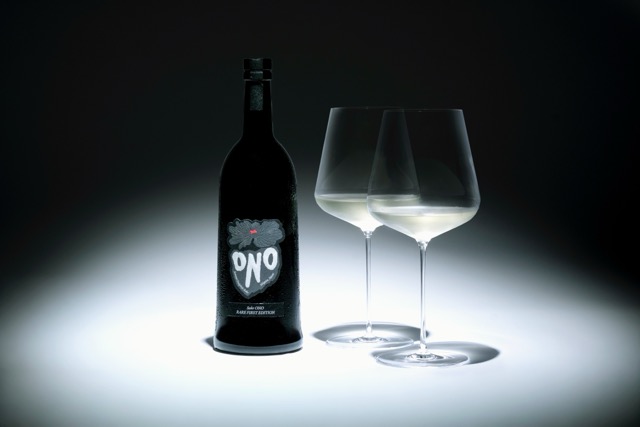
The evening also marked the Miami debut of Sake ONO Rare, the brand’s ultra-premium Junmai Daiginjo expression. Paired with exceptionally fresh Japanese sashimi and nigiri—including hotate (scallop) and amaebi (sweet shrimp)—the sake revealed layers of honeydew melon, white peach, citrus, and gentle nutty undertones. Its silky texture and clean finish made it a natural partner for delicate seafood.
A MOMENT OF PURE INDULGENCE
A true highlight arrived with Hokkaido Uni, auction-grade sea urchin, served after several toro nigiri and aburi-style seared sashimi courses. Harvested from the cold, nutrient-rich waters of northern Japan, the uni delivered a creamy, buttery flavor that underscored why it is so highly prized.
A REFINED FINISH
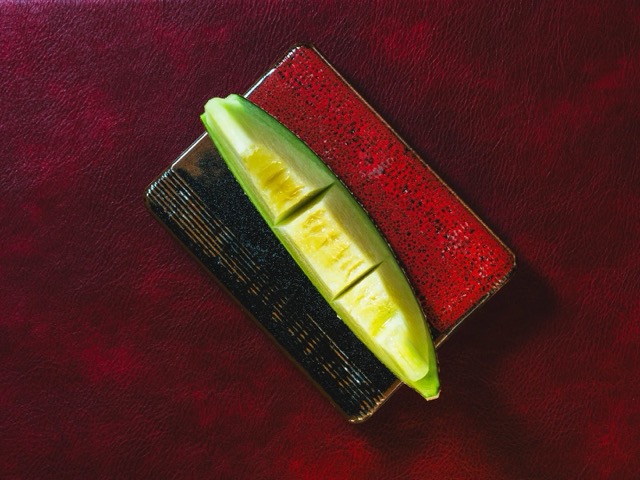
Dessert remained true to the evening’s understated elegance with Crown Melon, a prized Japanese muskmelon celebrated for its fragrant aroma and melting texture. Light, refreshing, and quietly indulgent, it served as the perfect palate cleanser before the final toast. The night concluded with a glass of Tsukazabotan Yuzu Junmai, an 8% ABV Japanese yuzu sake liqueur blended with fresh citrus juice and finished with a splash of Piper-Heidsieck Cuvée Brut Champagne. Bright and celebratory, it offered a refreshing close to an exceptional evening.
A NEW CHAPTER FOR SAKE IN AMERICA
For many American diners, sake has long been associated with sushi counters and novelty drinks. Evenings like this show how much the category has evolved. With lower alcohol, clean profiles, and transparent production, sake aligns closely with what today’s drinkers are seeking.