


PEOPLE WORTH KNOWING


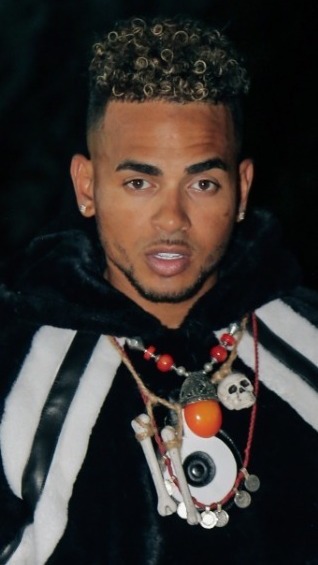
Juan Carlos Ozuna Rosado emerged from San Juan, Puerto Rico to become one of reggaeton and trap latino's most influential voices of the 2010s and beyond. Born on March 13, 1992, Ozuna built his empire from the streets of his native island, crafting a signature sound that blends reggaeton rhythms with trap influences and introspective, often romantic lyricism. His rise wasn't overnight—it was methodical, strategic, and rooted in authenticity. By 2017, when his debut album "Odisea" dropped, Ozuna had already established himself as a force capable of dominating both streaming platforms and radio stations simultaneously, a rare feat in Latin urban music.
The numbers speak for themselves. Ozuna's 2018 album "Aura" became a global phenomenon, spawning the massive hit "Tití Me Preguntó" which spent weeks dominating Latin charts and crossed over to mainstream success. That same year, tracks like "La Jumpa" and collaborations with Bad Bunny cemented his status as a heavyweight. His 2019 album "Nibiru" continued the momentum with club-ready tracks and emotional ballads that showcased his range. By 2021, Ozuna had accumulated multiple Billboard Latin Music Awards, Latin Grammy nominations, and billions of streams across platforms like Spotify and YouTube. His ability to consistently deliver chart-topping hits made him one of the most streamed reggaeton artists globally, alongside peers like Bad Bunny and J Balvin.
In recent years, Ozuna has evolved his sound while maintaining the core elements that made him legendary. His 2023 and 2024 projects demonstrated a maturation in his artistic vision, incorporating more sophisticated production and exploring deeper emotional territories. The artist has remained relevant in an increasingly competitive landscape by collaborating with emerging producers and artists, proving that staying power in reggaeton requires constant reinvention. Beyond music, Ozuna has diversified his brand through features in documentaries and increased visibility in Latin urban culture conversations, positioning himself not just as a musician but as a cultural ambassador.
Looking ahead, Ozuna continues to prove that reggaeton's golden era is far from over, and his next chapter promises even greater sonic and commercial achievements that will further solidify his legacy in Latin urban music.





-06.webp)


